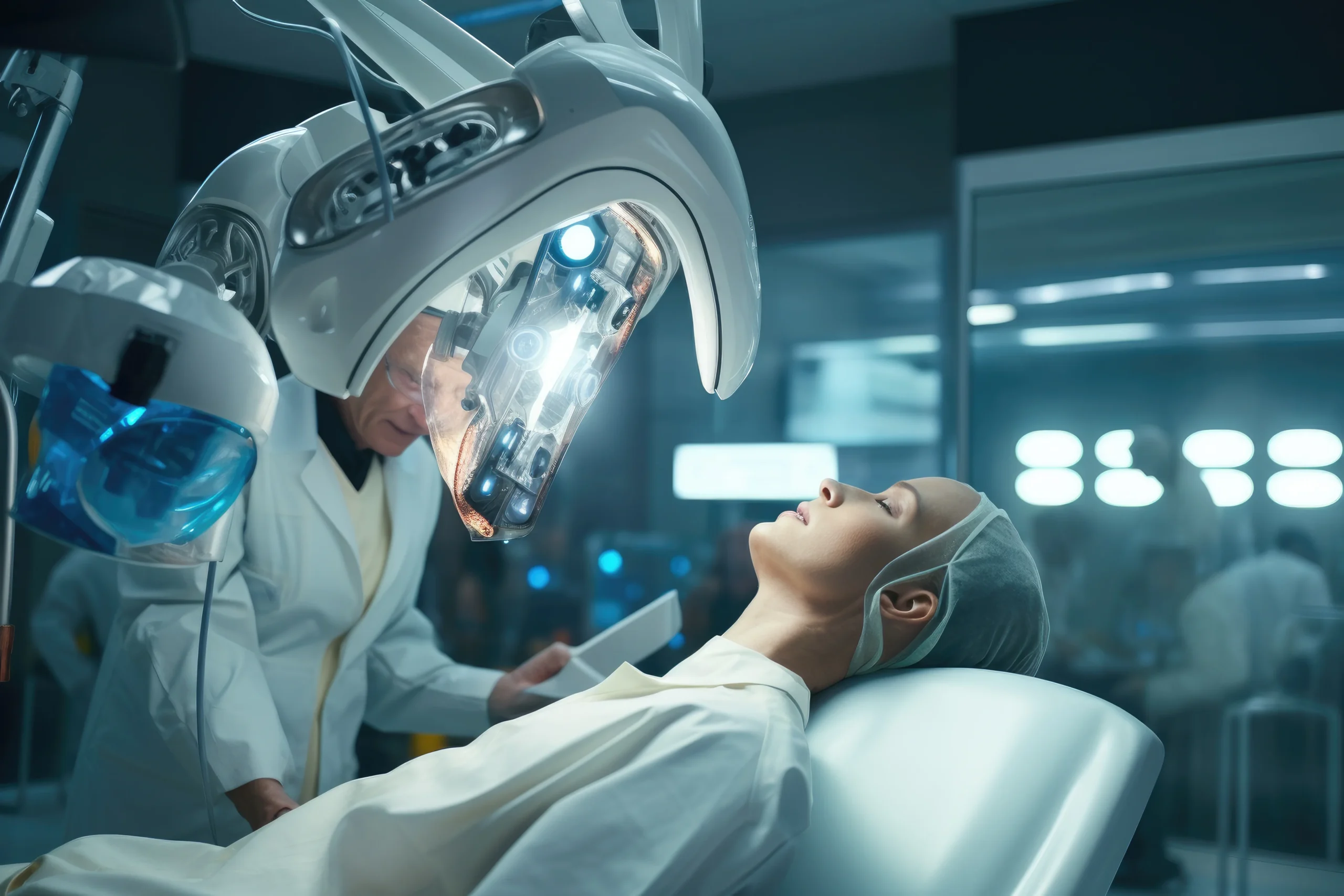
Dental visits are changing quietly but quickly. What used to rely mostly on a dentist’s trained eye is now being supported by intelligent systems that can analyze, predict, and assist in ways humans alone cannot. That’s where Nerovet AI Dentistry comes into the picture.
But this isn’t about replacing dentists. It’s about making their work sharper, faster, and more reliable.
What Nerovet AI Dentistry Actually Does
At its core, Nerovet AI Dentistry uses artificial intelligence to support clinical decisions. It processes dental images, patient records, and treatment patterns to help dentists spot issues earlier and plan treatments more precisely.
Instead of relying only on manual interpretation, dentists get an added layer of insight.
Here’s what that looks like in practice:
- X-ray analysis: AI highlights cavities, bone loss, or infections that might be easy to miss
- Treatment planning: Suggests options based on similar past cases and outcomes
- Patient monitoring: Tracks changes over time to catch problems early
It’s not magic—it’s pattern recognition at a scale humans can’t match.
Why This Matters for Patients
Most people don’t think about how much interpretation goes into a dental diagnosis. Two dentists can look at the same scan and sometimes see things differently.
AI helps reduce that uncertainty.
With systems like Nerovet:
- Diagnoses become more consistent
- Early-stage issues are easier to catch
- Treatment decisions feel more transparent
For patients, this often means fewer surprises and more confidence in what they’re being told.
See also Jim McMahon’s Health: Exploring the Impact of Football on a Legend’s Well-being
A Real-World Example
Imagine you go in for a routine checkup. Your dentist takes an X-ray and reviews it with AI assistance.
The system flags a very small area of decay between two teeth—something that might not yet be visible or painful.
Instead of waiting until it becomes a bigger problem, your dentist can treat it early with a simple, less invasive procedure.
That’s the real benefit: catching problems when they’re still easy to fix.
Does It Replace the Dentist?
No—and it shouldn’t.
AI tools like Nerovet are designed to assist, not decide. A trained dentist still interprets the results, considers your history, and makes the final call.
Think of it like a second opinion that’s always available.
The human side of dentistry—judgment, communication, patient comfort—remains essential.
Where It Helps Dentists the Most
Dentists deal with a high volume of data every day. AI helps by reducing the mental load and improving accuracy in key areas:
- Time efficiency: Faster analysis of scans and records
- Reduced oversight risk: Less chance of missing subtle issues
- Better documentation: Clear visual explanations for patients
This also improves communication. When patients can see what’s happening, they’re more likely to trust the diagnosis.
Limitations You Should Know
AI in dentistry is powerful, but it’s not perfect.
- It depends on the quality of data and images
- It may not fully account for unique patient conditions
- It still requires human oversight to avoid misinterpretation
In other words, it’s a tool—not a guarantee.
The Bigger Shift in Dentistry
What Nerovet represents is part of a broader shift toward data-driven healthcare.
Dentistry is becoming more:
- Preventive instead of reactive
- Evidence-based instead of purely experience-based
- Transparent for patients
This doesn’t just improve outcomes—it changes how people experience dental care.
Final Thoughts
Nerovet AI Dentistry isn’t about making dentistry high-tech for the sake of it. It’s about making everyday care more accurate, more predictable, and easier to understand.
If you’re a patient, it means earlier detection and clearer explanations.
If you’re a dentist, it means better support and more confidence in decisions.