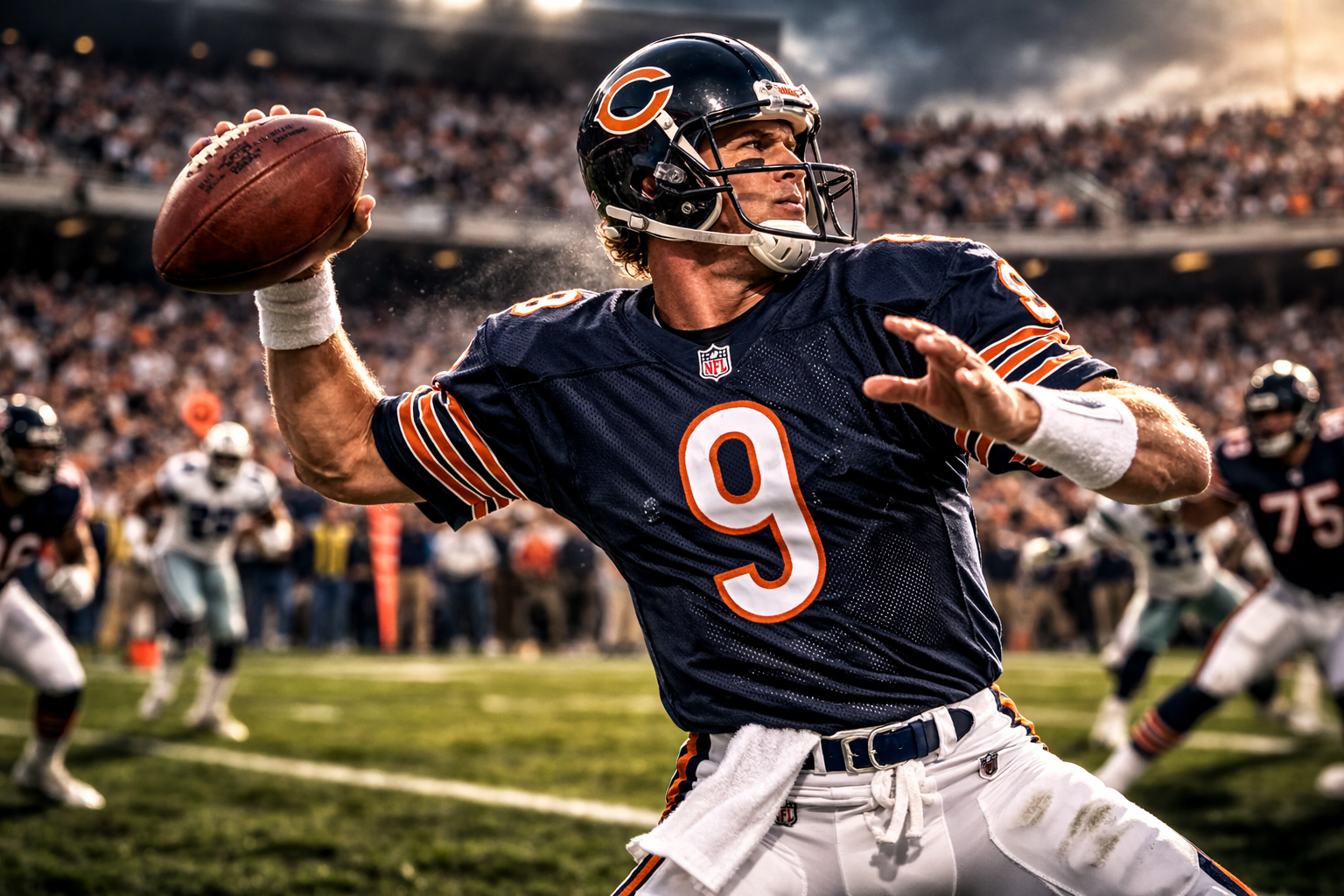
Jim McMahon’s Health Overview
Early Signs and Symptoms
Jim McMahon’s health issues began surfacing during his active years in the NFL. Known for his aggressive playing style, he suffered several concussions and other injuries that would later manifest into serious health problems. These early signs of trouble included persistent headaches, memory loss, and vision problems, which were often dismissed as part and parcel of the game.
Diagnosis and Public Disclosure
In recent years, McMahon has been open about his struggles with Chronic Traumatic Encephalopathy (CTE), a condition common among former NFL players due to repeated head injuries. His public disclosure has shed light on the concussion effects and the toll that professional sports can take on an athlete’s brain health.
See also Pravi Celer: Tips for Growing and Storing Fresh Celery at Home
Impact of Football on Health
Detailed Look at Concussions and Other Injuries
Football, particularly at the professional level, is a high-impact sport that exposes players to significant physical risks. Jim McMahon’s injuries included numerous concussions, which have been linked to long-term cognitive issues, mood disorders, and even early-onset dementia.
Concussion Statistics in the NFL
- Frequency: Studies indicate that NFL players have a higher risk of concussions compared to other sports.
- Long-term Effects: Approximately 99% of studied NFL brains showed signs of CTE.
- Recovery: Many players report persistent symptoms years after retirement.
Expert Opinions on Long-term Effects
Medical experts have increasingly recognized the correlation between NFL careers and severe health conditions later in life. Dr. Ann McKee, a leading researcher on CTE, highlights the irreversible damage caused by repeated concussions. According to her studies, the NFL injuries sustained by players like Jim McMahon are not just immediate threats but long-lasting health concerns.
Current Health Status
Recent Updates and Treatment Approaches
Jim McMahon has made significant lifestyle changes to manage his health issues. He has been vocal about using alternative treatments, including CBD and other non-traditional therapies, to alleviate pain and improve his quality of life. These treatments have brought some relief to his symptoms, offering hope that athletes can find effective ways to manage post-retirement health challenges.
Personal Quotes and Interviews
In interviews, McMahon has candidly discussed his health struggles and the reality of living with CTE. He emphasizes the importance of mental health support and the need for the NFL to take more responsibility for players’ long-term well-being.
“Football was my life, but it came at a cost. I’m determined to make sure future players don’t suffer the same fate,” McMahon stated in a recent interview, underscoring his commitment to advocacy.
Advocacy and Awareness Efforts
McMahon’s Role in Promoting Brain Health
Jim McMahon has become a prominent advocate for player safety and brain health. He has been involved in various campaigns to raise awareness about the dangers of concussions and the importance of proper medical care for athletes.
Initiatives and Campaigns He Supports
- Player Safety Initiatives: Working with organizations to enhance safety protocols within the NFL.
- Brain Health Awareness: Participating in documentaries and public speaking events to educate the public.
- Research Funding: Supporting research initiatives aimed at understanding and treating CTE.
Preventative Measures for Athletes
Tips and Strategies for Current Players
For current and aspiring football players, understanding how to mitigate the risks associated with the sport is crucial. Here are some preventative measures derived from Jim McMahon’s experiences:
- Wear Proper Protective Gear: Ensure helmets and padding meet the latest safety standards.
- Educate on Symptoms: Be aware of the symptoms of concussions and seek immediate medical attention if they occur.
- Limit Contact Drills: Reduce the frequency of full-contact practices to minimize exposure to head impacts.
- Promote a Healthy Lifestyle: Incorporate a balanced diet, regular exercise, and mental health resources into daily routines.
Insights from Medical Professionals
Dr. Julian Bailes, a renowned neurosurgeon, advises players to prioritize their health by being proactive about injury prevention. Regular medical check-ups and cognitive assessments are recommended for athletes at all levels.
Comparative Health Analysis of Former NFL Players
How McMahon’s Health Compares to His Peers
Jim McMahon’s health journey is not unique; many former NFL players face similar challenges. A comparative analysis reveals that while McMahon has been vocal about his struggles, others may suffer in silence. This highlights the need for comprehensive support systems for retired athletes.
| Player Name | Major Health Issues | Advocacy Efforts |
|---|---|---|
| Jim McMahon | CTE, concussions, dementia | Brain health awareness |
| Junior Seau | CTE, depression | Posthumous research support |
| Brett Favre | Memory loss, head injuries | Concussion education |
| Troy Aikman | Concussions, mental health | Player safety initiatives |
Conclusion
Jim McMahon’s health journey is a testament to the enduring impact of a career in professional football. As he continues to navigate his challenges, McMahon remains an influential advocate for player safety and health awareness. His efforts have inspired changes in how sports organizations address athlete health, ensuring that future generations of players are better protected.
For those interested in learning more about athlete health or seeking support, numerous resources and organizations are available. By prioritizing health and safety, we can honor the legacies of athletes like Jim McMahon while ensuring a safer future for all players.
FAQ
1. What health issues does Jim McMahon have? Jim McMahon has been diagnosed with Chronic Traumatic Encephalopathy (CTE), a condition linked to repeated head injuries. He also experiences symptoms related to concussions and early-onset dementia.
2. How has football affected Jim McMahon’s health? Football has significantly impacted McMahon’s health, leading to numerous concussions that have resulted in cognitive and mental health challenges.
3. What is Jim McMahon doing for health advocacy? McMahon is actively involved in promoting brain health and player safety. He supports various campaigns and initiatives aimed at raising awareness about the risks of concussions and CTE.
4. How is Jim McMahon’s health today? Jim McMahon continues to manage his health issues with lifestyle changes and alternative treatments, such as CBD. He remains vocal about his experiences to help others.
5. What preventative measures can athletes take? Athletes can reduce their risk of injury by wearing proper protective gear, being educated on concussion symptoms, limiting contact drills, and maintaining a healthy lifestyle. Regular medical assessments are also crucial.