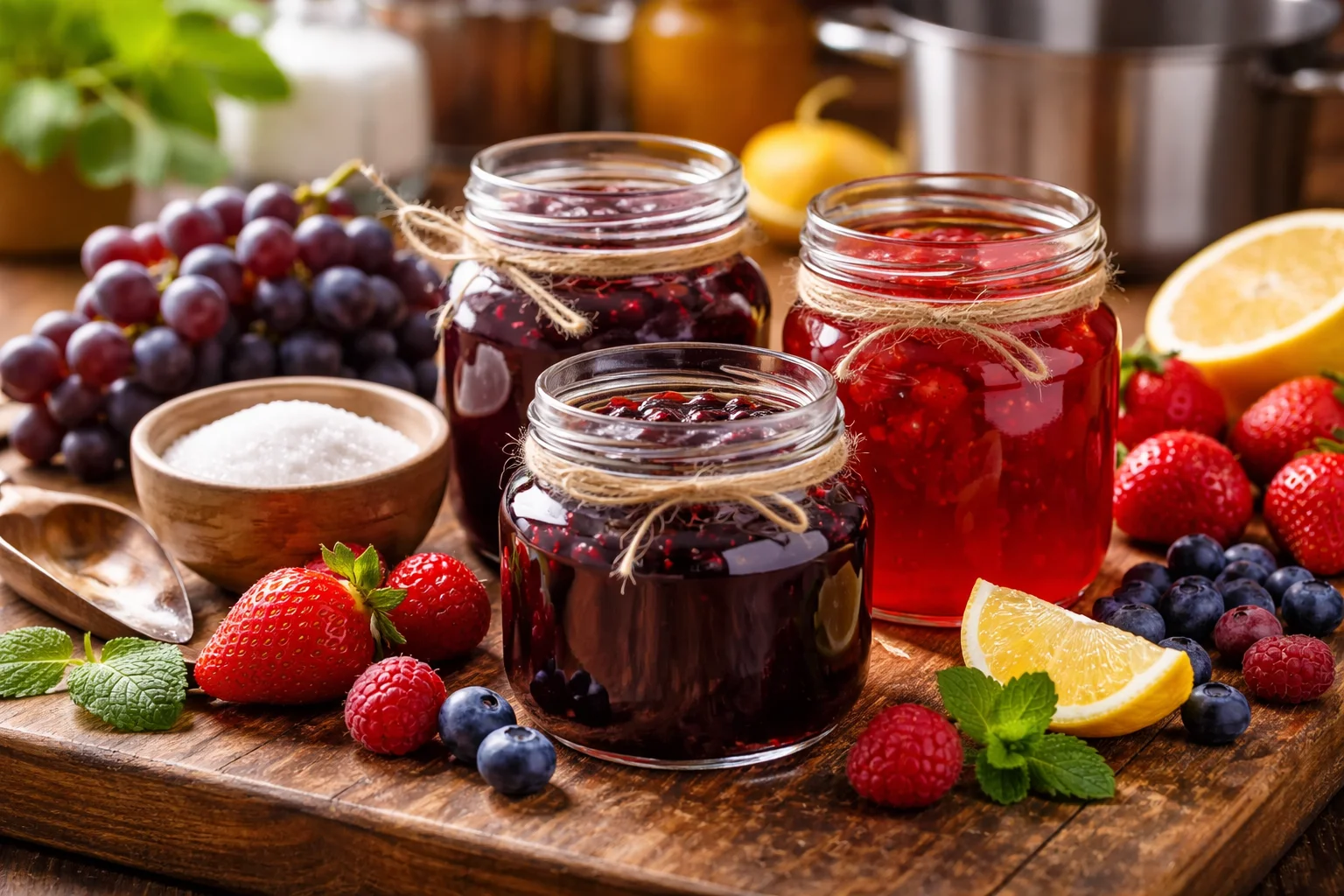
Jelly is more than just a sweet spread; it’s a versatile delicacy that can complement a myriad of dishes. Welcome to RecipesJelly.com, your comprehensive source for discovering jelly recipes, innovative jelly-making techniques, and expert cooking tips. Whether you’re a beginner eager to learn how to make jelly or a seasoned cook looking to try exotic fruit jelly, our guide has something for everyone. Dive into the world of jelly-making and explore how this delightful preserve can elevate your culinary creations.
Introduction to Jelly Recipes
Jelly holds a special place in the world of preserves. Known for its clear, shimmering texture and sweet taste, jelly is a staple in many households. It is typically made by boiling fruit juice with sugar and pectin, resulting in a smooth, spreadable product. The art of jelly-making has been around for centuries, serving as a method to preserve seasonal fruits and a way to enjoy their flavors year-round.
Why Jelly Recipes are Essential
- Versatility: Jelly can be used in desserts, as a glaze for meats, or simply spread on toast.
- Preservation: Making jelly is an excellent way to preserve the bounty of seasonal fruits.
- Dietary Options: With sugar-free and vegan jelly recipes, there’s something for everyone.
How to Make Jelly: A Step-by-Step Guide
Creating homemade jelly is a rewarding process that allows you to customize flavors and control ingredients. Here’s a detailed guide to help you make perfect jelly every time.
See also Weber Grillvorführung: Where Taste Meets Elegance in Outdoor Culinary Art
Ingredients and Equipment Needed
Before you start, gather the following:
- Fruit Juice: Choose your favorite fruit or a combination for unique flavors.
- Pectin: Essential for setting the jelly.
- Sugar: Adjust according to taste and dietary preferences.
- Lemon Juice: Helps in setting and adds a zing.
- Canning Jars: Sterilized and ready for storage.
- Large Pot: For boiling the mixture.
- Thermometer: To ensure the correct cooking temperature.
- Cheesecloth: For straining fruit juice.
Step-by-Step Instructions
- Prepare the Fruit Juice: If using whole fruits, wash and crush them, then strain through a cheesecloth to extract the juice.
- Cook the Mixture: Combine the fruit juice, sugar, and pectin in a pot. Bring to a boil while stirring constantly.
- Test for Set: Use a thermometer to confirm the mixture reaches the setting point (around 220°F). Drop a small amount on a cold plate; it should wrinkle when nudged.
- Jar the Jelly: Once set, pour the jelly into sterilized jars, leaving some space at the top. Seal immediately.
- Process the Jars: Boil the jars in a water bath to ensure proper sealing and preservation.
Popular Jelly Recipes
Embark on a culinary journey with these classic and innovative jelly recipes.
Classic Grape Jelly
A timeless favorite, grape jelly is simple to make and universally loved. Use Concord grapes for a rich, authentic flavor.
Ingredients
- 4 cups grape juice
- 7 cups sugar
- 1 packet pectin
- 2 tablespoons lemon juice
Instructions
- Mix grape juice and pectin in a pot and bring to a boil.
- Add sugar, stirring constantly, and return to a boil for 1 minute.
- Pour into jars and process in a boiling water bath.
Strawberry and Mixed Berry Jelly
Bursting with berry goodness, this jelly combines strawberries, blueberries, and raspberries for a delightful blend.
Ingredients
- 5 cups mixed berry juice
- 6 cups sugar
- 1 packet pectin
- 2 tablespoons lemon juice
Instructions
- Combine berry juice and pectin, bring to a boil.
- Stir in sugar and lemon juice, boil hard for 1 minute.
- Pour into jars and process.
Innovative Jelly Variations
Explore new flavors and dietary options with these creative jelly recipes.
Low-Sugar and Vegan Alternatives
For those mindful of sugar intake or following a vegan diet, these recipes use alternative sweeteners and plant-based pectin.
- Low-Sugar Jelly: Replace sugar with honey or agave syrup.
- Vegan Jelly: Use agar-agar instead of gelatin for a plant-based set.
Jelly Pairings and Serving Suggestions
Jelly’s versatility extends beyond breakfast. Consider these pairing ideas:
- Cheese Board: Pair spicy pepper jelly with aged cheddar.
- Roasted Meats: Use apple jelly as a glaze for pork.
- Desserts: Drizzle berry jelly over ice cream or cheesecake.
Tips and Techniques for Perfect Jelly
Mastering jelly-making requires attention to detail and a few expert tips.
Common Mistakes to Avoid
- Under or Overcooking: Ensure jelly reaches the correct setting point.
- Improper Sealing: Always process jars in a water bath to prevent spoilage.
- Incorrect Pectin: Different fruits require varying pectin levels; adjust accordingly.
Storage and Preservation
- Canning: Properly sealed jars can last up to a year in a cool, dark place.
- Refrigeration: Open jars should be refrigerated and used within a month.
Jelly-Making Case Study: From Orchard to Jar
Let’s explore a case study highlighting a small-scale farmer’s journey from harvesting organic fruits to creating artisanal jelly.
Background
Sarah, a farmer in Vermont, grows a variety of organic fruits. She began making jelly to reduce waste and offer local, sustainable products.
Process
- Harvesting: Sarah picks fruits at peak ripeness for maximum flavor.
- Juice Extraction: She uses a traditional press to extract pure, unprocessed juice.
- Jelly Creation: Sarah follows a classic recipe but experiments with exotic flavors like elderberry and quince.
- Local Sales: Her jellies are sold at farmers’ markets, emphasizing the farm-to-table concept.
Success
Sarah’s commitment to quality and sustainability has made her jellies a local favorite, demonstrating the potential of homemade preserves.
FAQs About Jelly
What are the best fruits for making jelly?
The best fruits include grapes, strawberries, apples, and berries, as they have high pectin levels for easy setting.
How do you make jelly set properly?
Ensure the right balance of sugar, acid (like lemon juice), and pectin. Cook to the correct temperature, and test consistency on a cold plate.
What is the difference between jelly and jam?
Jelly is made from fruit juice, resulting in a clear spread, while jam uses crushed fruit, creating a chunky texture.
How can I make jelly without added sugar?
Use natural sweeteners like honey or agave syrup. Opt for fruits with natural sweetness like apples or pears.
Can jelly be made vegan?
Yes, replace gelatin with agar-agar, a seaweed-based thickener, to make vegan jelly.
Conclusion
Jelly-making is both an art and a science, offering endless possibilities for flavor and creativity. Whether you’re crafting a classic grape jelly or exploring sugar-free options, the key is to experiment and enjoy the process. Visit RecipesJelly.com for more delicious recipes, expert tips, and a community of jelly enthusiasts ready to share their experiences. Embrace the world of jelly and discover how this humble preserve can transform your culinary adventures.